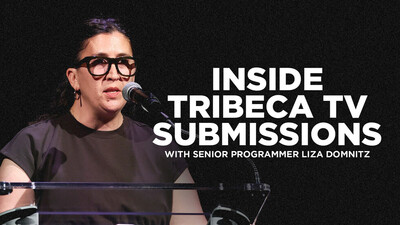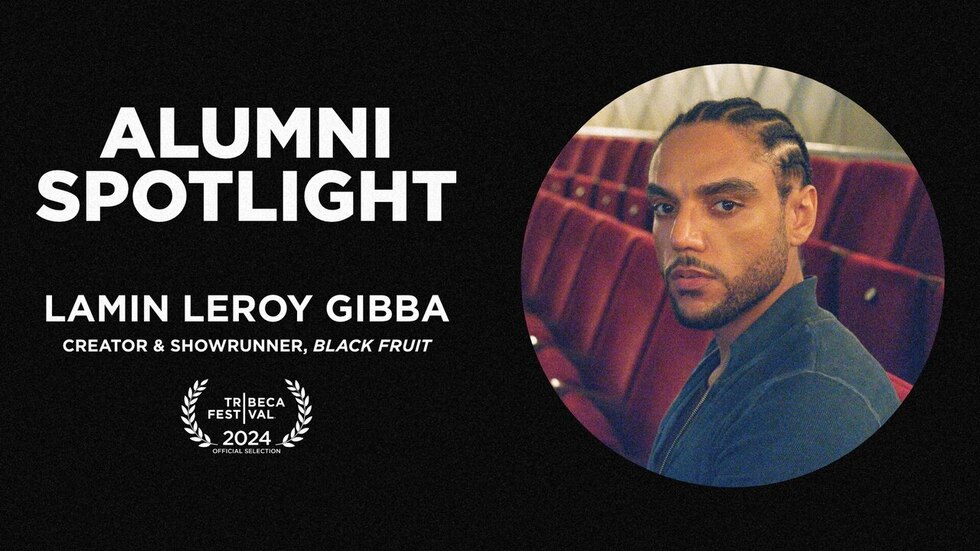
Introducing Alumni Spotlight, a new series featuring Tribeca Festival alumni. We sat down with Lamin Leroy Gibba, the creator, head writer, showrunner, and star of BLACK FRUIT, which premiered at the 2024 Tribeca Festival in the indie TV category (formerly known as Tribeca NOW). Read on for his submission tips, how BLACK FRUIT came to be, and the TV shows that inspire him.
And don’t forget: 2027 Festival submissions are now open. Show us what you’ve got.
Tell us who you are.
Hi, my name is Lamin Leroy Gibba. I'm the creator, head writer, showrunner, and actor of the TV show BLACK FRUIT, which had its world premiere at the 2024 Tribeca Festival. I'm originally from Hamburg, Germany, but I went to drama school in New York City.
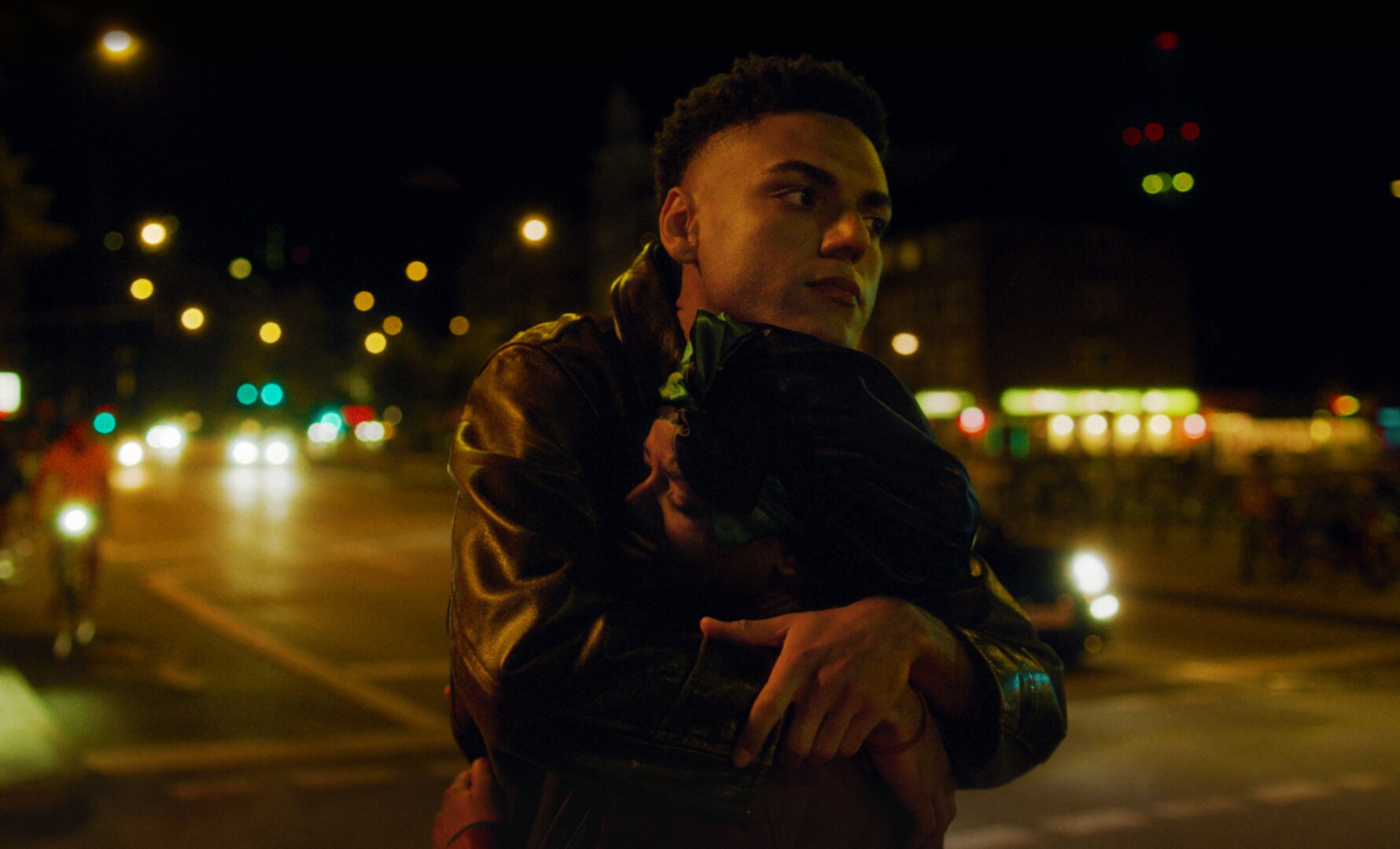
How did BLACK FRUIT come together?
I had the idea for BLACK FRUIT after graduating from drama school. I was thinking about characters I wanted to play and stories I wanted to tell, and I worked on it for about a year without telling anyone. I was just trying to create this world. I think the biggest challenge of the project was getting it off the ground, just in the beginning, to pitch it to people. I got a lot of rejection from people saying that this show couldn’t be made or it wouldn’t have an audience.
There was something inside of me where I was like, even if this isn’t fully funded or if I don’t get to make this on a large scale, I will do it somehow. Because these characters and the story of this show and these eight episodes were there, and I was like, I can’t put them back in the drawer. I need to tell it.
At some point, it became way bigger than I expected it to be. It was a fully realized production with many people who worked on it and who put their heart into it, which I think you can really see in the show now.
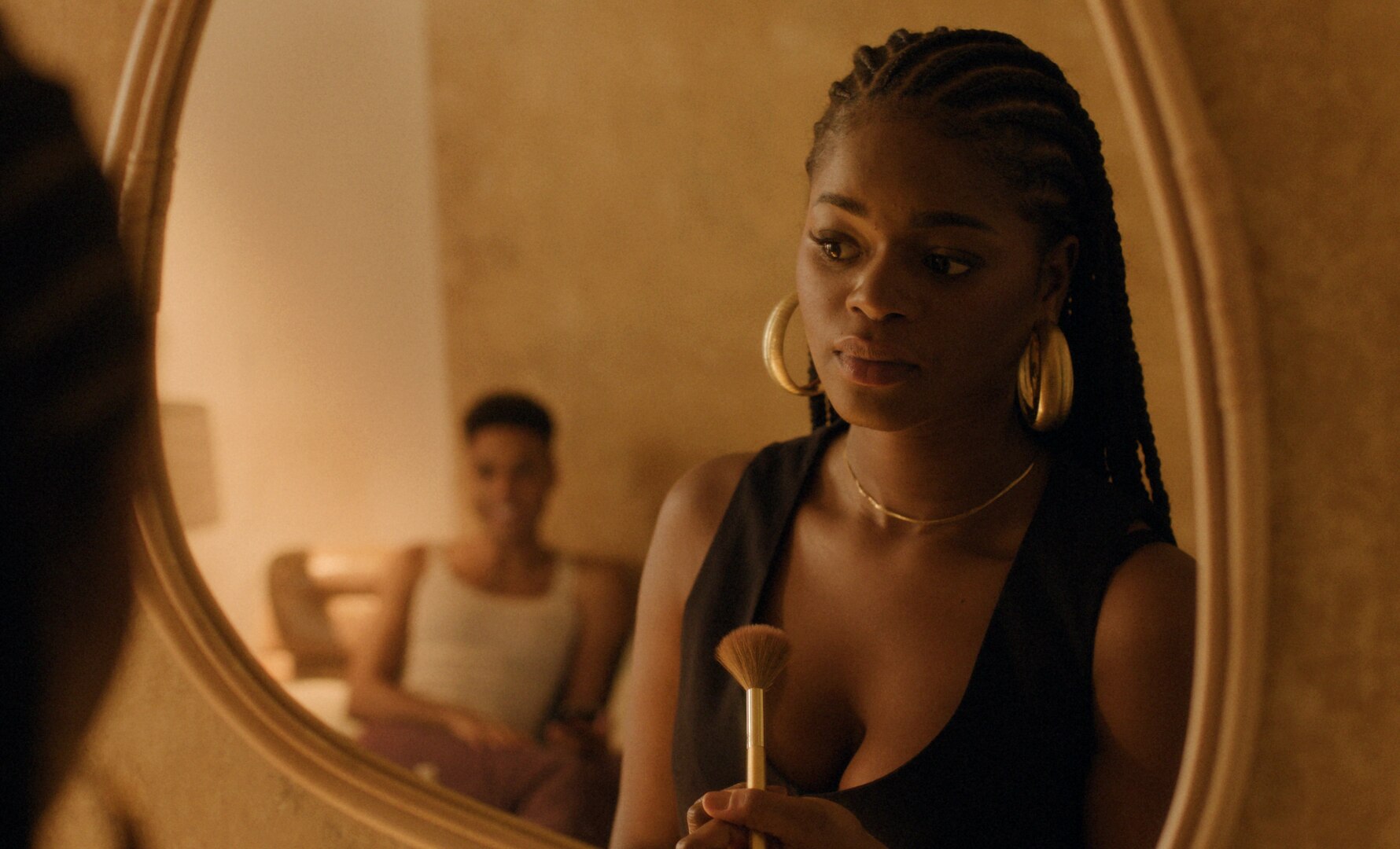
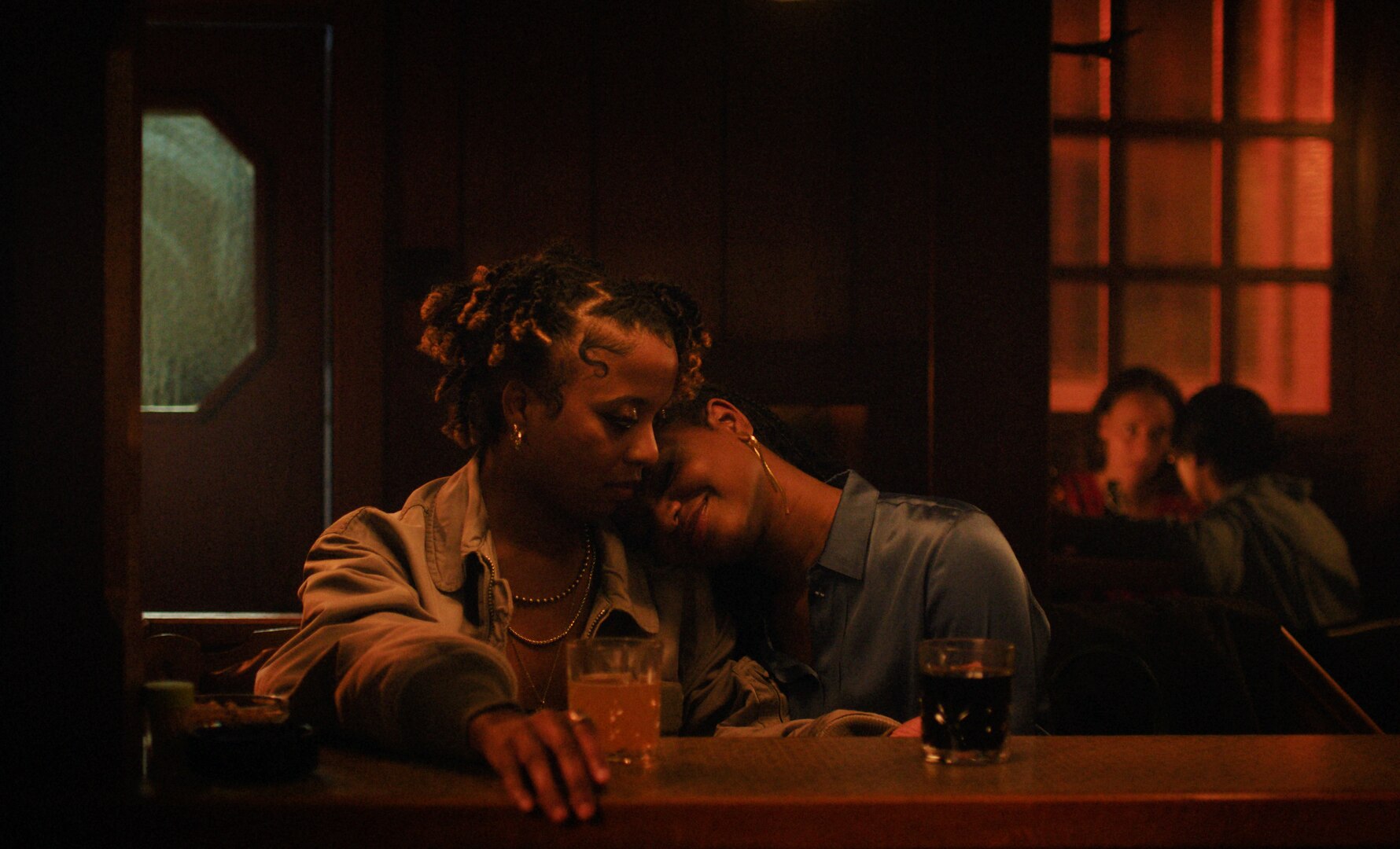
Tell us about the characters at the center of the show.
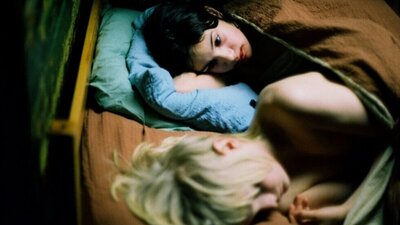
I started the show with this idea: What TV show would I want to see? What is the kind of tonality? What characters do I want to be centered in a TV show? And I saw these two characters, these Black and queer best friends who were navigating their lives, which were really complicated. The show starts with us getting to know Lalo, who has just recently lost his father, and we see over the course of these episodes how he tries to navigate that loss with a lot of impulsive decisions.
And on the other side, we have Karla, Lalo's best friend, who, on the surface, is reaching all of her goals. She's promoted in the finance world, and she's getting all the things she's worked so hard for, but she also has to confront the way she's navigated her life and the rooms she's found ways to survive in. She's definitely questioned by circumstances if this is what she still wants, after all.
You really get to know these characters in all their flaws, contradictions, and hopes. If the show has any intention, it's that an audience member feels less alone with their flaws. To me, it's extremely important that Black and queer characters are centered in their own stories and are seen in all of their complexities. That was really at the core of this project.
What was it like to premiere at Tribeca?
From the moment of having the idea for BLACK FRUIT to it actually coming out on TV, it took five years. So it was a long process. And then to have our world premiere at Tribeca Festival was really incredible.
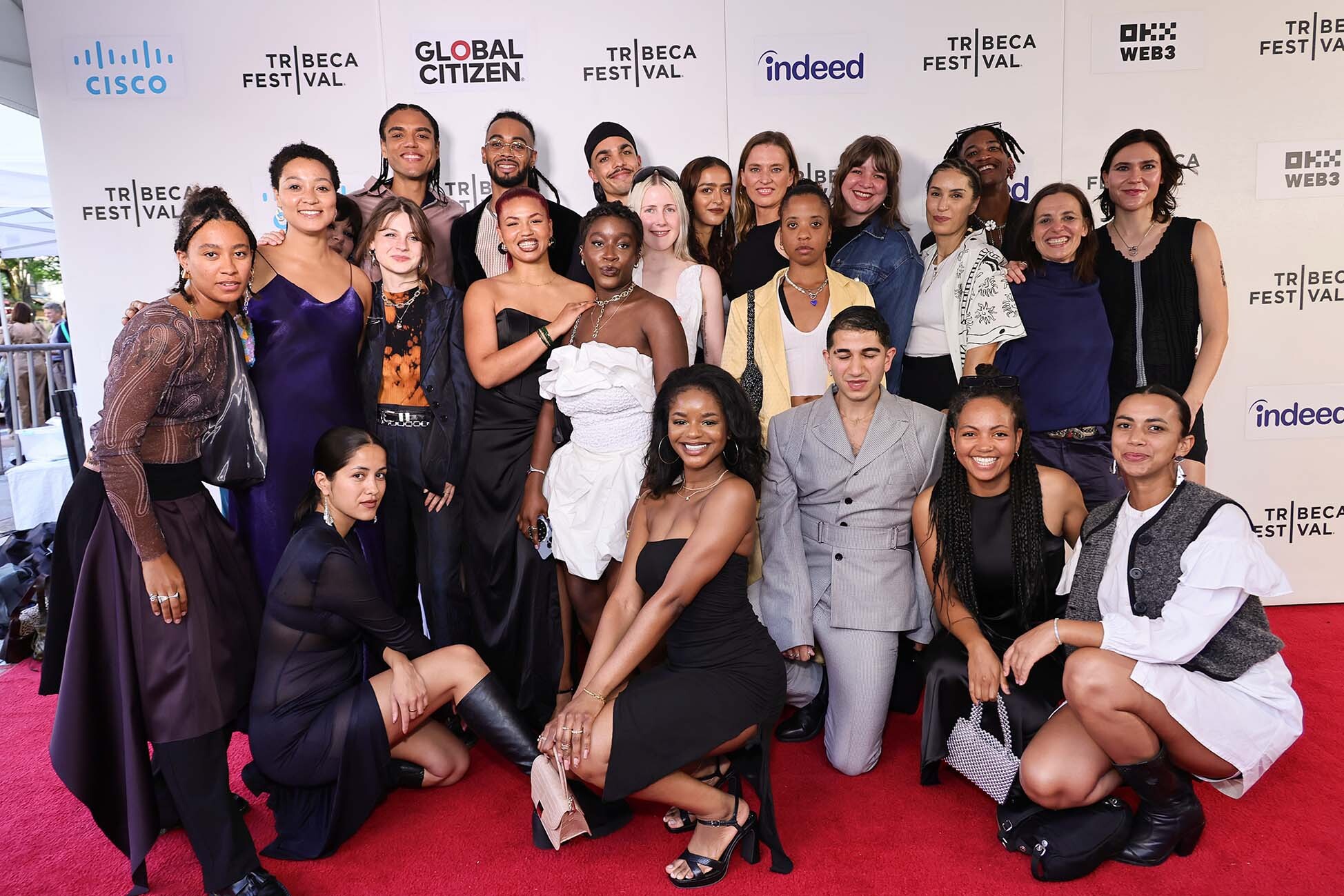
So many from the team and the crew and the actors were able to come to New York City. We could celebrate this moment together of sharing this show that we’ve all worked on with so much passion and love, and get the first responses from audiences who saw what we did and noticed all the details that we put into this show.
It was the beginning of the journey of sharing it. It got a lot of attention; people really connected with the series and its characters. We won awards, and I do think that having had our world premiere at Tribeca was definitely a blessing for the show.
First TV show that had an impact on you?
There are so many, but in the context of BLACK FRUIT, there are filmmakers who really inspired me: Michaela Coel, Issa Rae, Donald Glover, and Lena Dunham, who created their shows, acted in them, wrote them, and shaped their vision.
What stood out for me was that they really had their very own specific points of view. That was something that I worked on a lot in the process of making BLACK FRUIT: becoming clear on what this world is, being able to communicate it with others, and finding different language for it. How does this world feel? What is really at the core of this show? What are the rules?
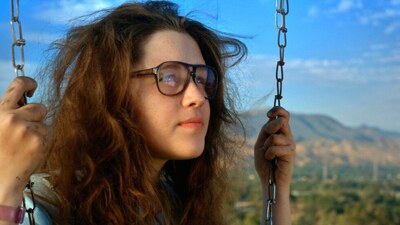
But there are so many amazing shows. I love MY SO-CALLED LIFE forever.
What's your go-to movie snack?
Popcorn. It's very basic, but it's the best one, I think.
What are you up to now?
Now, a few years after the premiere, I'm continuing to work on projects, to make films that I'm excited about and to continue to make work with people whom I really admire.
Any advice for filmmakers submitting to Tribeca?
My advice for submitting to Tribeca is to do it. It is an amazing festival that really values the filmmakers that it invites.
It's such a great opportunity to also meet other filmmakers and celebrate filmmaking and storytelling. And the festival is so big and also goes beyond film. I think it's such a great place. Good luck with all the submissions. My fingers are crossed.
Don’t forget: 2027 Festival submissions are open. Get yours in today.